Introduction
In the dynamic field of medical care, wound treatment has become an essential element of client administration. With millions of people experiencing wounds annually, the need for knowledgeable professionals, specifically nurses learnt thorough injury care, has actually never been more noticeable. This post looks into the relevance of extensive wound care training for nurses, exploring its implications on individual end results, health care performance, and the general quality of care provided.
The Importance of Comprehensive Wound Care Training in Nursing
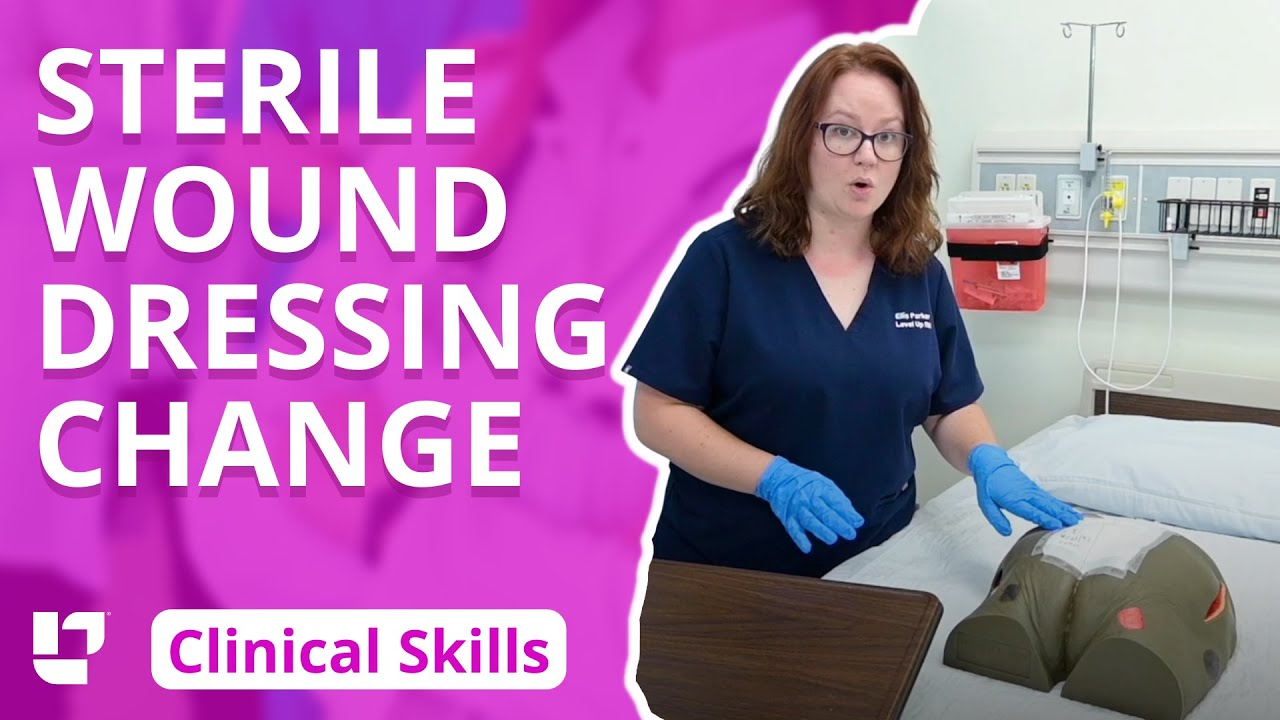
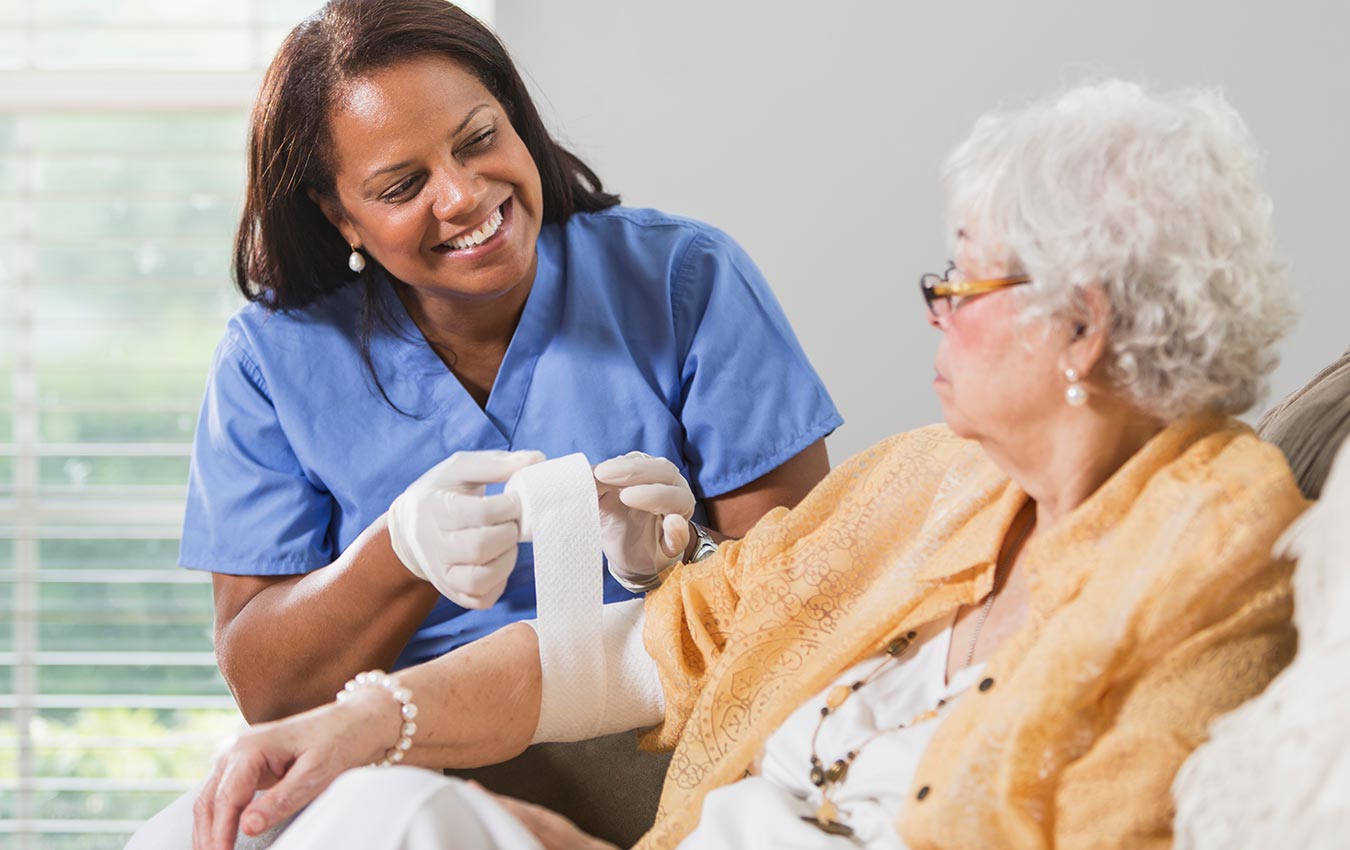
Wound treatment is not simply regarding using dressings; it's a detailed process that needs specialized understanding and abilities. Comprehensive wound care training furnishes nurses with the devices required to examine, diagnose, and handle a selection of injuries effectively. This training encompasses every little thing from standard injury treatment concepts to complex persistent wound management.
What Is Wound Care Expert Training?
Wound care specialist training is a structured educational program designed to give healthcare experts with the advanced expertise required to master handling injuries. This educational program normally covers:
- Anatomy and Physiology: Understanding skin framework and function. Types of Wounds: Setting apart in between severe and persistent wounds. Assessment Strategies: Learning exactly how to assess injuries accurately.
This specialized training is critical for developing a deep understanding of injury healing procedures and problems related to various kinds of wounds.
Why Is Wound Care Training Necessary for Nurses?
Nurses are usually on the frontline when it comes to client care. They play a critical duty in identifying prospective problems beforehand. Reliable wound care training helps nurses:
Enhance Individual Outcomes: Appropriately trained registered nurses can considerably lower infection rates and enhance recovery times. Increase Efficiency: Well-informed staff can streamline processes associated with clothing changes and assessments. Boost Self-confidence: Trained nurses are much more confident in their capacities, which positively influences client interactions.Wound Treatment Training Courses Available
In today's instructional landscape, various training courses are available for nurses looking for to improve their abilities in injury monitoring. These training courses vary widely based on material depth, period, and distribution technique:
- Basic Wound Care Training: Concentrate on fundamental ideas ideal for all nursing levels. Advanced Courses: Target experienced nurses wanting to specialize further. Online Certifications: Offer adaptability for working professionals.
Each training course aims to equip nurses with practical abilities they can use straight in professional settings.
Understanding Chronic Wound Care Management
Chronic wounds present one-of-a-kind challenges due to their long term nature. Problems such as diabetes or venous deficiency usually lead to facility injury situations requiring specialized treatments. Comprehensive training enables nurses to understand:
- The underlying causes contributing to chronicity. Evidence-based techniques for effective management. Patient education strategies focused on protecting against recurrence.
The Role of NDIS in Injury Treatment Management
The National Impairment Insurance Scheme (NDIS) plays a considerable function in making certain that people with handicaps obtain appropriate healthcare services consisting of wound management. Nurses trained under this wound care training courses framework are better outfitted to navigate obstacles provided by these people' distinct needs.
Innovative Methods in Injury Care Management
With innovations in medical innovation, ingenious methods have actually emerged that redefine standard techniques in wound monitoring:
Negative Stress Injury Treatment (NPWT): Enhances recovery by applying sub-atmospheric stress at the injury site. Biologic Dressings: Utilize living cells or tissues that advertise healing. Telehealth Solutions: Enable continual surveillance and consultation without physical visits.Nurses skilled in these developments are vital possessions within any medical care setting.
The Effect on Interdisciplinary Collaboration
Effective injury care usually demands partnership among different healthcare providers including doctors, physiotherapists, and dietitians. Registered nurses learnt extensive injury monitoring can help with interaction in between team members which improves patient results through coordinated efforts.
Challenges Dealt with Without Proper Training
Without sufficient training, registered nurses might run into several challenges when taking care of injuries:
- Inaccurate assessments causing inappropriate therapy plans. Increased danger of infections due to inappropriate dressing techniques. Difficulty educating people regarding self-care methods post-discharge.
These obstacles underscore the necessity of extensive education programs made especially for nursing specialists involved in wound treatment management.
Frequently Asked Inquiries (FAQs)
1. What qualifications do I need for wound treatment nurse training?
To enroll in many wound care training programs, prospects commonly need a valid nursing license along with some professional experience.
2. The length of time does it require to finish fundamental injury treatment training?
Basic programs can vary from someday workshops to several weeks depending on the educational program provided by institutions or organizations offering training.
3. Can I pursue on the internet accreditation for innovative injury care?
Yes! Numerous recognized companies use online certifications that cover sophisticated topics suitable for skilled nursing experts looking for versatility while studying.
4. What is consisted of in complex wound care management training?
Complex wound care management consists of innovative assessment methods, treatment methods specific to persistent conditions like ulcers or medical injuries, and efficient communication skills tailored in the direction of interdisciplinary teams.
5. Are there certain standards that regulate NDIS-funded solutions related to wound care?
Yes! NDIS has actually established standards describing solution provisions ensuring people receive appropriate assistance tailored particularly towards their requirements consisting of those needing comprehensive wound management interventions.
6. Exactly how does extensive training impact my job as a nurse?
Comprehensive training boosts your capability making you a lot more affordable within your area while also improving job complete satisfaction through enhanced skills when taking care of challenging instances entailing clients suffering from different types of wounds.

Conclusion
In verdict, The Value of Comprehensive Wound Care Training in Nursing can not be overstated; it is essential not just for improving individual registered nurse competency yet also boosting general patient wellness results within health centers or community settings alike! As healthcare proceeds advancing towards a lot more specific duties focused around high quality instead of quantity alone-- injury care proficiency will certainly act as one key differentiator among nursing specialists aiming excellence within this specialized area!
By investing time into expert development via reliable courses covering both fundamental strategies together with advanced methods-- the nursing workforce stands positioned ready tackle future obstacles head-on while supplying outstanding levels supportive solution any place required most!